Basketball Club Teams in San Diego That Inspire Excellence
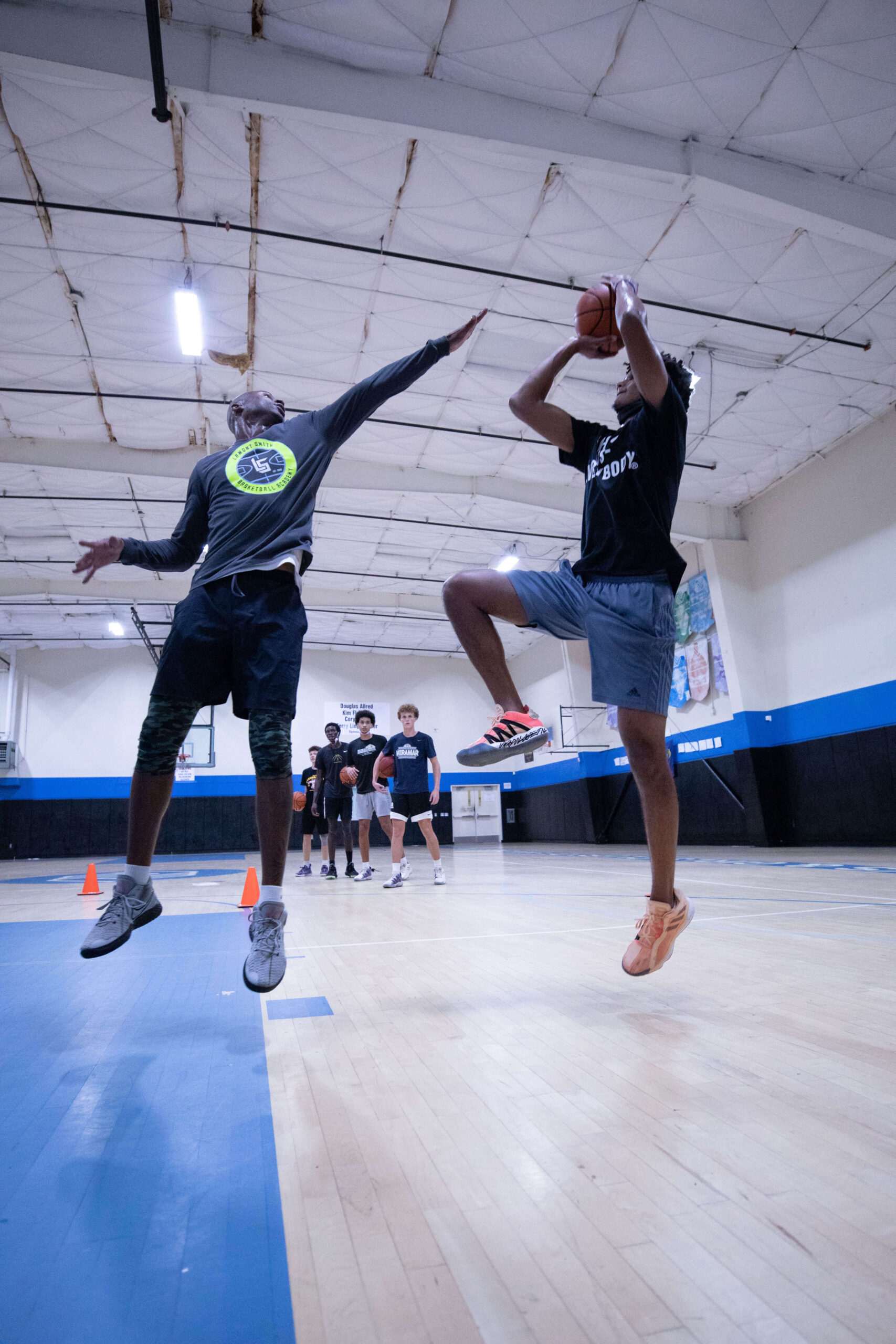
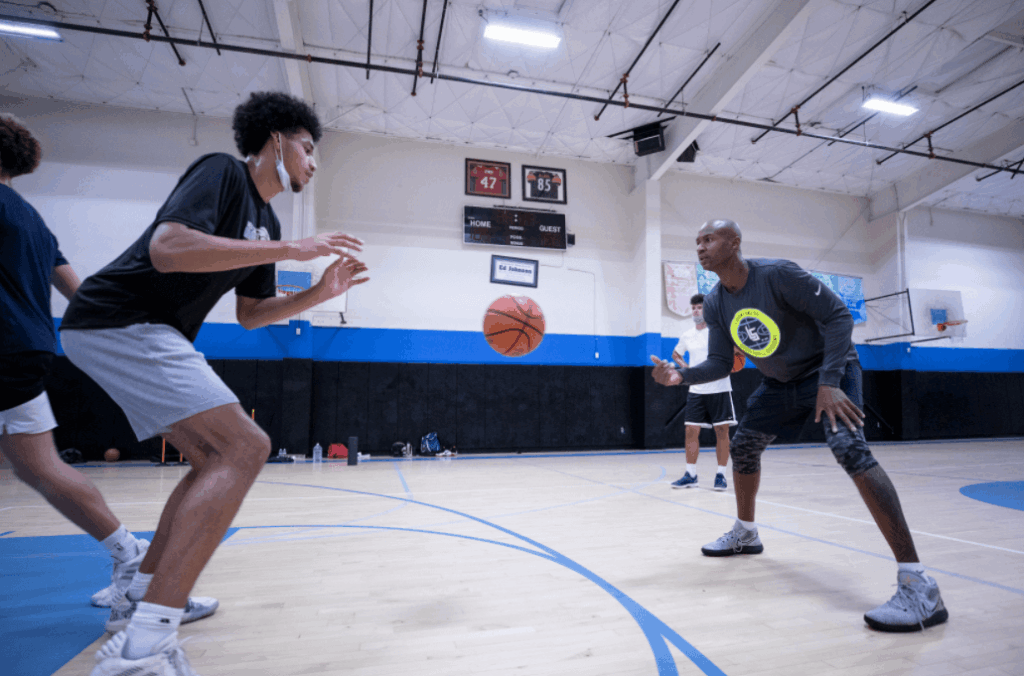
San Diego has never struggled to produce basketball players who love the game. What makes the area interesting is the way that love gets shaped. The best club environments here do more than stack weekend tournaments and promise exposure. They teach pace, spacing, discipline, recovery habits, and the less glamorous work that turns a talented middle school player into a dependable high school contributor.
That distinction matters. Families often use the phrase Basketball Club Teams San Diego when they start searching for options, but the results can blur together fast. Every program says it develops players. Every coach says culture matters. Every social feed shows tournament highlights, matching warmups, and a few college logos. The real question is simpler and harder at the same time: which teams genuinely inspire excellence, and what does that excellence actually look like?
In San Diego, excellence is rarely loud for long. It usually shows up in quieter ways. A player rotates early instead of chasing a steal. A guard who used to dominate the ball starts making the extra pass. A post who was physically ahead at age 12 learns how to defend in space by age 15. A team loses in the semifinals of a spring event, then looks visibly sharper six weeks later because the coaching staff taught from the film instead of pretending the result was bad luck.
That is the standard worth paying attention to.
What makes a club team inspiring, not just competitive
A lot of club teams can win three games in a weekend with a deep roster and one hot shooter. Inspiring excellence is different. It means the team environment makes players better in ways that last after the tournament ends.
The strongest club programs in San Diego tend to share a few habits. They practice with intention, not just volume. They communicate clearly with parents without allowing parents to drive basketball decisions. They value skill work and decision-making at least as much as weekend travel. Most of all, they know where a player is in the development arc.
That last piece gets overlooked. A fourth grader does not need the same basketball life as an eleventh grader chasing college opportunities. Yet many families get pulled into a model built for older athletes. I have seen young players spend entire weekends on the bench in hyper-competitive tournament settings, then come back on Monday having learned almost nothing except how to feel anxious about mistakes. On the other hand, I have seen average-sized guards in patient club environments become excellent high school players because somebody invested in footwork, vision, defensive habits, and confidence before rankings or exposure entered the conversation.
An inspiring team does not confuse urgency with progress. It understands timing.
San Diego’s basketball culture creates a different kind of proving ground
San Diego is an unusual basketball market. It has real talent, but it does not always receive the same national attention as Los Angeles, the Inland Empire, or some of the major circuits that dominate the conversation. That can be a disadvantage if a player expects visibility to arrive automatically. It can also be a gift.
Because the area often sits just outside the loudest recruiting spotlight, strong club teams here tend to be more deliberate about development. Players usually have to earn recognition through consistency rather than hype. Coaches cannot rely as easily on reputation alone. Families become more discerning because they are not just buying into a name. They are evaluating whether the gym time is making a visible difference.
San Diego County also brings geographic diversity that shapes club basketball. North County, central San Diego, East County, and South Bay do not all operate the same way. Commutes matter. Training sites matter. School ball relationships matter. A team that looks ideal on paper may become unsustainable if a family is spending four nights a week driving 35 to 50 minutes each way. Over a full season, logistics can wear down players and parents alike. The better organizations understand this and build structures that account for the realities of local life.
Climate helps too. Year-round training is easier here than in most parts of the country, and that can be a major advantage when used wisely. But year-round access also creates a temptation to overplay. Some of the most impressive San Diego club coaches I have encountered were the ones willing to tell a family, “Your child needs rest, not another tournament.”
That answer rarely trends on social media, but it often signals maturity.
The best programs teach basketball, not just possession basketball
There is a difference between teaching a team how to survive a weekend and teaching players how to understand the game. The first approach can still produce wins. The second produces athletes who keep improving.
You can usually see the difference within one or two games. A well-taught club team in San Diego will show spacing that makes sense. Off-ball movement is purposeful. Closeouts are under control. Players know when to push in transition and when to pull the ball out. Bigs are not treated like screen-setting furniture. Guards do not dribble the air out of possessions because nobody else knows what to do.
More importantly, players can explain what they are trying to accomplish. Ask a young wing what the team is looking for on a baseline drive. Ask a point guard what coverage they expect against a side ball screen. Ask a forward why they tagged the roller and then recovered to the corner. If the answer is clear, the coaching is usually real.
That kind of instruction inspires excellence because it gives players ownership. They are not just running plays by memory. They are learning the game in a way that transfers across coaches, systems, and levels.
I once watched a San Diego club practice where the coach stopped a drill for nearly five minutes to correct the angle of a defensive stance on a simple shell rotation. No yelling, no theatrics, just precise teaching. At the next tournament, that team was not the most athletic group in the gym, but it was one of the hardest to score on. The details carried over. That is what families should be looking for.
Why the right coach matters more than the biggest brand
San Diego has families who understandably gravitate toward recognizable programs, polished branding, and ambitious schedules. There is nothing wrong with wanting a serious environment. But the coach in front of your child matters more than the logo on the backpack.
A great club coach balances three jobs at once. First, that coach develops individual skill. Second, that coach teaches team concepts. Third, that coach manages personality, adversity, confidence, and role clarity. Most coaches are good at one or two of those. The rare ones handle all three.
The best coaches also know when to challenge and when to protect. Some players need direct correction. Others need a question that helps them see the answer on their own. Some lineups need structure. Others need freedom. Club basketball has a way of exposing coaches who only know one speed. If every timeout sounds the same and every player gets coached the same way, growth eventually stalls.
For parents searching through Basketball Club Teams San Diego options, it is worth observing one full practice before making a commitment. Games can hide flaws. Practice reveals them. You can see whether the coaching points are specific. You can see whether players are engaged when they are not first in line. You can see whether mistakes are turned into instruction or embarrassment.
That tells you far more than an Instagram montage ever will.
Excellence looks different at 11, 14, and 17
One reason families struggle with club choices is that they use the same standard across all age groups. That almost always leads to bad decisions.
At younger ages, excellence should look like ball touches, skill repetition, confidence-building, and broad understanding. Positions should stay flexible. A tall fifth grader should still dribble and pass under pressure. A small guard should still learn how to finish through contact. Winning matters only insofar as it supports learning how to compete.
By the early high school years, the standard starts changing. This is when good club teams begin demanding stronger defensive discipline, quicker processing, and more mature role acceptance. Skill work still matters, but now the question becomes whether a player can apply those skills against length, speed, and scouting.
By the time players are older high school prospects, excellence is often about refinement and consistency. Can a shooter make the same read against different coverages? Can a forward guard multiple actions? Can a player accept that the path to college opportunity may depend on defending, rebounding, and making quick decisions rather than averaging 20 points in a lower-level event?
The strongest San Diego club teams understand these developmental shifts. They do not sell the same experience to every family. They adapt.
The parent side of club basketball, where good programs separate themselves
Any honest discussion about club teams has to include the family experience. Club basketball can become expensive, emotionally draining, and overly time-consuming if a program is poorly run. It can also become one of the best growth experiences a family ever has in sports when expectations are handled professionally.
Parents should not expect perfection. Schedules change. Tournament organizers run late. Gym assignments get moved. But good programs communicate early and clearly. They set realistic expectations about playing time, travel, fees, and developmental priorities. They do not overpromise scholarship outcomes. They do not imply that every player is on a national-level track.
That honesty is refreshing, and in the long run it builds trust.
I have known families who left a larger program for a smaller San Diego club because they were tired of mixed messages. What they found was not glamour. It was structure. Their child practiced more effectively, understood the role more clearly, and started enjoying basketball https://brooksepco397.quantlynix.com/posts/what-makes-basketball-club-teams-in-san-diego-stand-out again. Within a year, performance improved too. That sequence is common. Joy often returns before production does.
This is where inspiring excellence becomes more than a slogan. A healthy club environment should stretch players without making the game feel like a constant referendum on their value.
Signs a team is developing players the right way
If you are evaluating Basketball Club Teams San Diego families often discuss, a few signs tend to show up again and again when a program is genuinely doing good work:
- Players improve between seasons, not just during one hot tournament run.
- Coaches give specific feedback that players can apply immediately.
- Roles are explained honestly, even when the message is difficult.
- Team offense and defense show real structure, not improvisation alone.
- Athletes leave practice tired, but also clearer about what they learned.
Those indicators sound basic, yet they eliminate a surprising number of options. Too many teams are built around event entry, not development design.
Exposure is real, but it should not be the first selling point
For older players with college aspirations, exposure matters. There is no point pretending otherwise. Coaches need to see athletes in strong competition settings, especially if those athletes are coming from regions or school situations that may not naturally attract attention.
Still, exposure is often sold backward. Families are told that getting into the right tournament is the key. In practice, the player has to be ready when that tournament arrives. Readiness means skill, body control, role fit, shot selection, conditioning, and emotional steadiness. A good club program prepares the player first and then places the player in the right settings.
San Diego athletes can absolutely use club basketball to gain recruiting traction, but the route is usually built on sustained development. College coaches are not just watching the final stat line. They are watching how a player moves, communicates, reacts to mistakes, competes on dead-ball possessions, and fits into a team concept. The club teams that inspire excellence know this, and they coach accordingly.
That is why some lower-scoring players attract more serious interest than volume scorers. They are dependable. They understand pace. They defend without fouling. They know how to move when the ball is not in their hands. Those habits are cultivated in serious club settings.
The trade-offs families need to weigh honestly
Not every excellent club experience looks the same. Some teams offer stronger competition but less individual attention. Some provide superb teaching but a lighter schedule. Some travel more than families want. Others stay local enough to preserve recovery and school balance, but may not offer as many high-profile events.
There is no universal right answer. There is only fit.
A player who needs confidence and repetition may thrive on a team where minutes are steady and instruction is hands-on. A player who is already productive and needs tougher game pressure may benefit from joining a deeper, more competitive roster. A family with multiple children may prioritize a local program with sensible travel demands. Another family may accept more travel because the roster, coaching, and schedule align with long-term goals.
The mistake is assuming that the most intense option is automatically the best option. In my experience, the right level of challenge is the level where a player is stretched but not drowned. If an athlete can barely function in games and leaves every weekend discouraged, development tends to slow. If that same athlete is never challenged and dominates weaker events, development slows there too.
The middle ground is where good coaching earns its value.
Questions worth asking before joining a team
Most families ask about cost, schedule, and tournaments. Those matter. They are not enough. Better questions lead to better decisions.
When you speak with a coach or director, ask how players are developed outside tournament play. Ask how roles are communicated. Ask whether multi-sport participation is respected for younger athletes. Ask what happens when a player is struggling. Ask how the program handles playing time at different age levels. Ask how often athletes practice versus compete.
You do not need a scripted interrogation. You need to understand the philosophy behind the promises.
A few practical questions can save months of frustration:
- How many practices will the team hold in a typical month?
- What is the expected tournament level and travel radius?
- How does the staff evaluate improvement over a season?
- Who is coaching this specific team, not just overseeing the program?
- What role should my child realistically expect to earn at the start?
The answers may not be perfect, but clear answers are usually a good sign. Vague ones rarely improve after registration.
Why San Diego families keep returning to club teams that value standards
The teams that endure in this region usually build reputations through consistency. Families talk. High school coaches notice. Players bring younger siblings back. Those patterns do not happen because a program had one strong spring. They happen because year after year, the environment feels trustworthy and demanding in the right proportions.
San Diego parents are often more savvy than programs realize. They can tell when a team is performing professionalism and when it is actually organized. They can tell when a coach cares about player growth and when the real focus is branding. They can tell when communication is respectful and when players are being strung along.
That local intelligence is a good thing for the basketball community. It pushes programs to improve. It rewards teams that teach well. It helps athletes find settings where excellence is defined by habits, not just headlines.
At its best, club basketball in San Diego becomes a place where players learn how to prepare, how to compete under pressure, how to be coached, and how to contribute to something larger than individual recognition. The strongest teams inspire excellence because they make those lessons visible every week, in practice details, in game decisions, in accountability, and in the way players carry themselves after both wins and losses.
That is what families should chase. Not the loudest promise, not the flashiest schedule, and not the fastest route to a social media highlight. Real excellence in Basketball Club Teams San Diego players remember most often begins in the gym, with a coach who notices small things, a team that values standards, and a culture that teaches young athletes how to grow up through the game.
Lamont Smith Basketball Academy
888 Clairemont Mesa Blvd Suite T-2, San Diego, CA 92123
(619) 639-8778
FAQ About Basketball Club Teams San Diego
How can a player join an LSBA club team?
Players are evaluated during practices so the coaching staff can recommend an appropriate team and development level. Families should contact the academy to confirm current openings and evaluation details.
Are club teams available for newer basketball players?
Yes. LSBA describes multiple levels, including a developmental option for newer players as well as more competitive teams for athletes with prior club experience.
What do LSBA club team practices emphasize?
Practices emphasize basketball fundamentals, team defense, structure, communication, and player development. The specific focus may vary according to the team and experience level.
Do all LSBA teams travel?
Travel expectations vary by level. Some teams focus on local competition, while advanced teams may participate in tournaments elsewhere in Southern California or beyond. Families should confirm the current schedule before enrolling.